Exploring Memory Through Acrylic and Mixed Media Art

Art has a unique ability to capture moments, emotions, and memories, allowing us to revisit them time and again. Acrylic and mixed media art, in particular, offer artists a versatile platform to explore the concept of memory. This blog post delves into how these mediums can be used to express and evoke memories, the techniques involved, and the emotional resonance they can create.
Understanding Memory in Art
Memory is not just a recollection of past events; it is a complex interplay of emotions, sensations, and experiences. When artists create works that reflect their memories, they invite viewers to engage with those experiences on a personal level. This connection can be powerful, as it allows individuals to reflect on their own memories and emotions.
The Role of Acrylic Paint
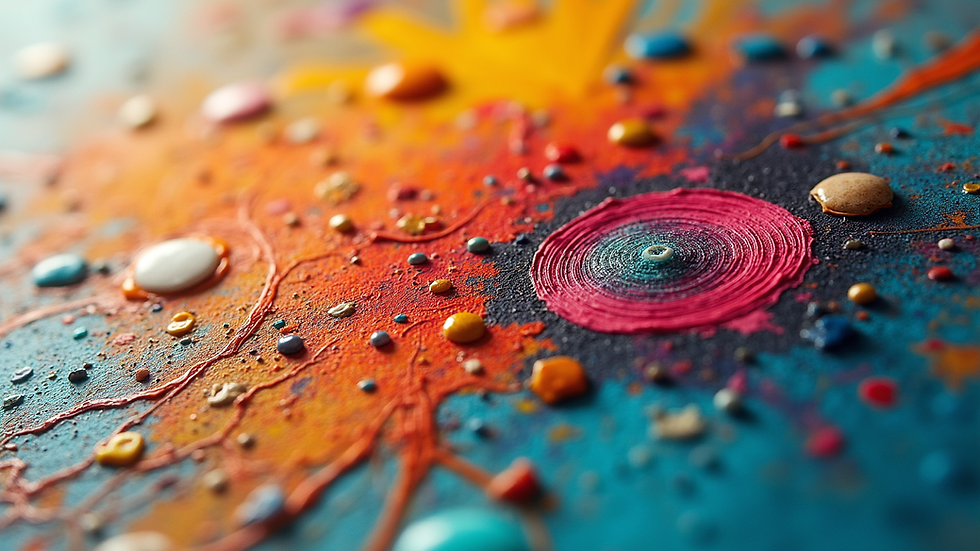
Acrylic paint is a popular choice among artists for its versatility and quick-drying properties. It can be used in various ways, from thin washes to thick impasto applications. This flexibility allows artists to layer colors and textures, creating depth in their work that can symbolize the layers of memory.
Techniques for Using Acrylics
Layering: Build up layers of color to create depth. Each layer can represent a different aspect of a memory.
Glazing: Apply thin, transparent layers of paint to create luminosity and complexity.
Texture: Use tools like palette knives or sponges to add texture, representing the tactile nature of memories.
Mixed Media: Expanding the Narrative
Mixed media art combines various materials and techniques, allowing for a richer storytelling experience. By incorporating elements like paper, fabric, and found objects, artists can create a multi-dimensional representation of memory.
Techniques for Mixed Media
Collage: Combine photographs, text, and other materials to create a narrative that reflects personal memories.
Textural Elements: Incorporate materials like sand, fabric, or metal to add physical texture, enhancing the sensory experience of the artwork.
Incorporating Personal Items: Use items that hold personal significance, such as letters or mementos, to create a deeper emotional connection.
The Emotional Impact of Memory in Art
Art that explores memory can evoke strong emotional responses. When viewers encounter a piece that resonates with their own experiences, it can trigger nostalgia, joy, or even sadness. This emotional engagement is what makes memory-focused art so powerful.
Case Studies of Memory in Art
Frida Kahlo: Kahlo’s work often reflects her personal experiences and memories, using vibrant colors and symbolic imagery to convey her emotions.
Anselm Kiefer: Kiefer’s mixed media pieces often explore collective memory, particularly relating to history and trauma, using materials that evoke a sense of time and place.
Creating Your Own Memory-Inspired Artwork
If you’re inspired to create your own memory-focused artwork, here are some steps to guide you:
Step 1: Reflect on Your Memories
Take time to think about a specific memory you want to explore. Consider the emotions associated with it and how you can express those feelings through art.
Step 2: Choose Your Medium
Decide whether you want to work with acrylics, mixed media, or a combination of both. Each medium offers unique possibilities for expression.
Step 3: Gather Your Materials
Collect materials that resonate with your memory. This could include photographs, fabric, or even natural elements like leaves or flowers.
Step 4: Start Creating
Begin by sketching your ideas and planning your composition. Don’t be afraid to experiment with different techniques and materials. Remember, the process is just as important as the final piece.
Step 5: Reflect on Your Work
Once you’ve completed your artwork, take a moment to reflect on what you’ve created. Consider how it represents your memory and the emotions it evokes.
Conclusion
Exploring memory through acrylic and mixed media art offers a profound way to connect with our past. By using these versatile mediums, artists can create works that resonate emotionally and invite viewers to reflect on their own experiences. Whether you’re an artist or an art lover, engaging with memory in this way can lead to deeper understanding and appreciation of both art and life.
As you embark on your own artistic journey, remember that every brushstroke and material choice can tell a story. Embrace the process, and let your memories guide you in creating something truly unique.

Comments